


Table Of Contents
What is Eczema (atopic dermatitis)?
While the exact cause is not fully understood, eczema is believed to stem from an overactive immune response to environmental triggers such as allergens, irritants, stress, or temperature changes.
Types of Eczema in Singapore
1. Atopic Eczema
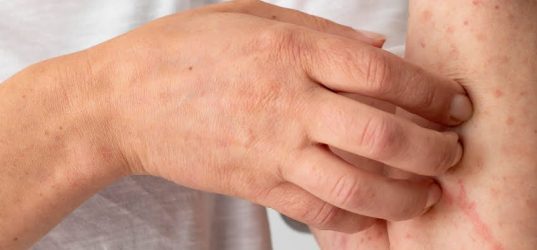
Atopic dermatitis is the most common form of eczema, marked by inflammation, redness, and irritation. It often occurs in individuals with a family history of asthma or allergies.
1
Irritant Contact Dermatitis
2
Allergic Contact Dermatitis
Symptoms
- Red, itchy, inflamed skin
- Dry, scaly patches (knees, hands, elbows)
- Possible oozing or crusting in severe cases
Treatment:
Topical corticosteroids, moisturisers, and anti-inflammatory medications are commonly prescribed. Lifestyle measures such as avoiding harsh soaps and wearing loose-fitting clothing help reduce flare-ups.
2. Contact Dermatitis
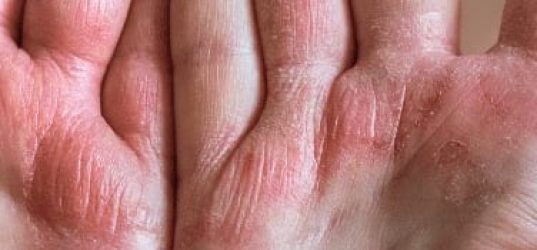
Contact dermatitis develops after direct contact with an irritant or allergen, causing redness, swelling, and itching.
1
Irritant Contact Dermatitis
2
Allergic Contact Dermatitis
Treatment:
Avoid the offending substance, use topical corticosteroids, and apply soothing creams to reduce inflammation and itching.
3. Seborrheic Dermatitis
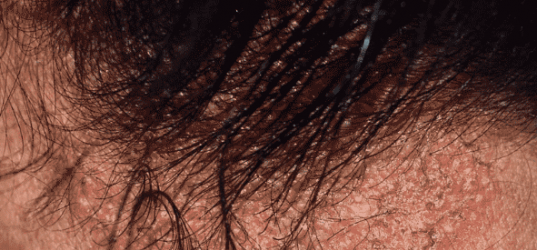
Seborrheic dermatitis is a common, chronic skin condition that primarily affects areas of the body with a high density of sebaceous (oil) glands, such as the scalp, face, and upper body. The hot and sticky weather in Singapore tends to aggravate this condition, causing redness, flaking, and irritation.
Causes
- genetics factors
- hormonal changes
- stress and fatigue
- weakened immune system
Symptoms
- Greasy, yellowish flakes or scales on the scalp, face, or chest
- Redness and itching, especially in oily areas like the nose, eyebrows, and ears
- Irritation worsened by heat and humidity
Treatment:
Managed with medicated shampoos, antifungal creams, and topical steroids. Maintaining clean skin and reducing oil buildup is essential.
4. Nummular Eczema
Causes
- dry skin
- skin injuries such as insect bites, scrapes or burns
- allergens or irritants such as metals, chemicals or wool
- stress
Symptoms
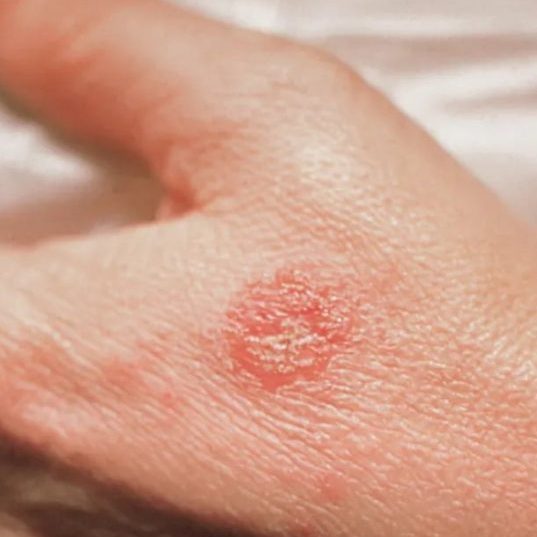
- Round, coin-shaped patches of red, inflamed, or itchy skin
- Oozing or crusting in chronic cases
- Dry, scaly skin around the patches
Treatment:
Treatment for nummular eczema includes avoiding triggers that might worsen symptoms, such as extremely hot or cold temperatures, stress and certain soaps or detergents. Moisturizers can help soothe the itchiness associated with this condition. In more serious cases steroids or other medications may be recommended to reduce inflammation and improve the appearance of the skin.
5. Dyshidrotic Eczema
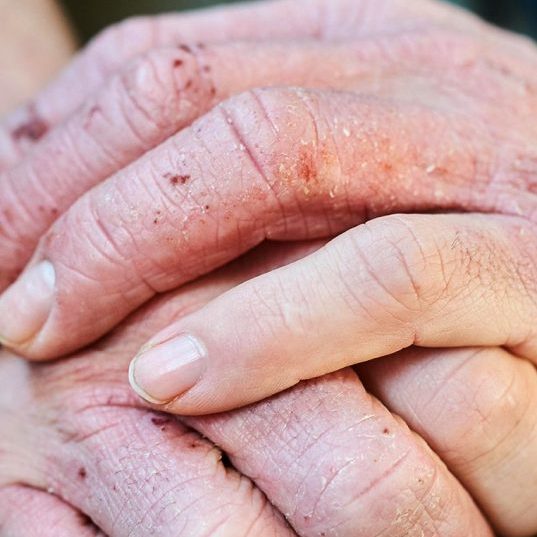
Dyshidrotic eczema, also known as pompholyx or dyshidrosis, is a type of eczema characterised by small, intensely itchy blisters that typically appear on the palms of the hands, sides of the fingers, and soles of the feet. The blisters can be itchy and painful, leading to cracked skin and possible infection if not treated properly.
Causes
- allergies
- stress
- excessive sweating or prolonged exposure to water
- warm and humid conditions
Symptoms
- Small, itchy blisters on the hands, fingers, or feet
- Thickened, cracked, or painful skin as the blisters heal
- Intensified itching during flare-ups
Treatment:
Treatment typically includes topical corticosteroids, moisturizers, antihistamines and in some cases light therapy. Proper hygiene is important to help prevent flare-ups.
6. Stasis Dermatitis
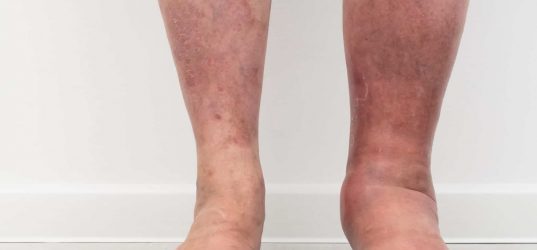
Stasis dermatitis is a type of eczema that occurs when blood flow to the lower legs is impaired. It usually affects people who have poor circulation due to age or obesity, and can cause swelling, redness and itching on the lower legs.
Symptoms
- Swelling, redness, and itching on the legs
Treatment:
Includes compression stockings, topical steroids, and antibiotics (if infected). Lifestyle adjustments, such as avoiding prolonged standing, are crucial.
Understanding Eczema Treatment in Singapore
While eczema cannot be completely cured, symptoms can be effectively managed through proper skincare and medical therapy under the guidance of a qualified dermatologist.
Lifestyle Tips for Managing Eczema
Adopting healthy habits can help minimize eczema flare-ups:
1
Recognize and Avoid Triggers
2
Gentle Skincare Routine
3
Keep Skin Moisturized
4
Prevent Infection
5
Choose Skin-Friendly Clothing
6
Address Symptoms Early
Common Eczema Treatments Options in Singapore
1
Anti-Inflammatories
2
Topical Steroid Creams and Ointments
3
Oral Steroid Medications
4
Calcineurin Inhibitors
5
Antihistamines
6
Wet-Wrap Therapy
7
Phototherapy
8
Immunosuppressants
9
Biologic Treatments
How Eczema is Diagnosed
Our eczema specialists in Singapore perform a detailed evaluation to distinguish eczema from other skin conditions:
Physical Examination
The diagnostic process usually begins with a thorough physical examination of the skin. Our dermatologists look for typical signs of eczema, such as redness, dryness, inflammation, and the presence of intense itching, rashes, or blisters. They may also check if the skin shows signs of thickening, scaly patches, or cracking, which are common in chronic cases.
Medical History Review
Our dermatologist will ask about current symptoms, their duration, and whether these symptoms worsen at certain times or in specific environments. Family medical history also plays a role, as eczema often runs in families and is linked to other conditions like asthma and hay fever.
Symptom Assessment
Our dermatologists assess the severity and frequency of the symptoms. They evaluate flare-ups and identify factors that may aggravate symptoms, such as stress, seasonal changes, or exposure to allergens and irritants. This assessment helps in understanding the patient’s unique triggers, which is key to managing the condition.
Allergy and Patch Testing
To rule out allergies or other skin disorders that share similar symptoms, dermatologists may conduct allergy testing. Skin prick tests or specific IgE blood tests can help identify allergens that might be triggering flare-ups. Additionally, patch testing is used to detect reactions to specific substances like cosmetics, detergents, or metal.
Exclusion of Other Skin Conditions
Eczema symptoms can sometimes resemble other skin issues like psoriasis, fungal infections, or contact dermatitis. Our dermatologists carefully differentiate eczema from these conditions based on physical evaluation and, if necessary, perform skin biopsies to confirm the diagnosis.
Common Eczema Symptoms
- Dry, sensitive skin
- Red, inflamed skin
- Severe itching
- Dark patches
- Scaly or leathery skin
- Oozing or crusting
- Swelling
- Thickened skin with cracks
- Infections due to scratching